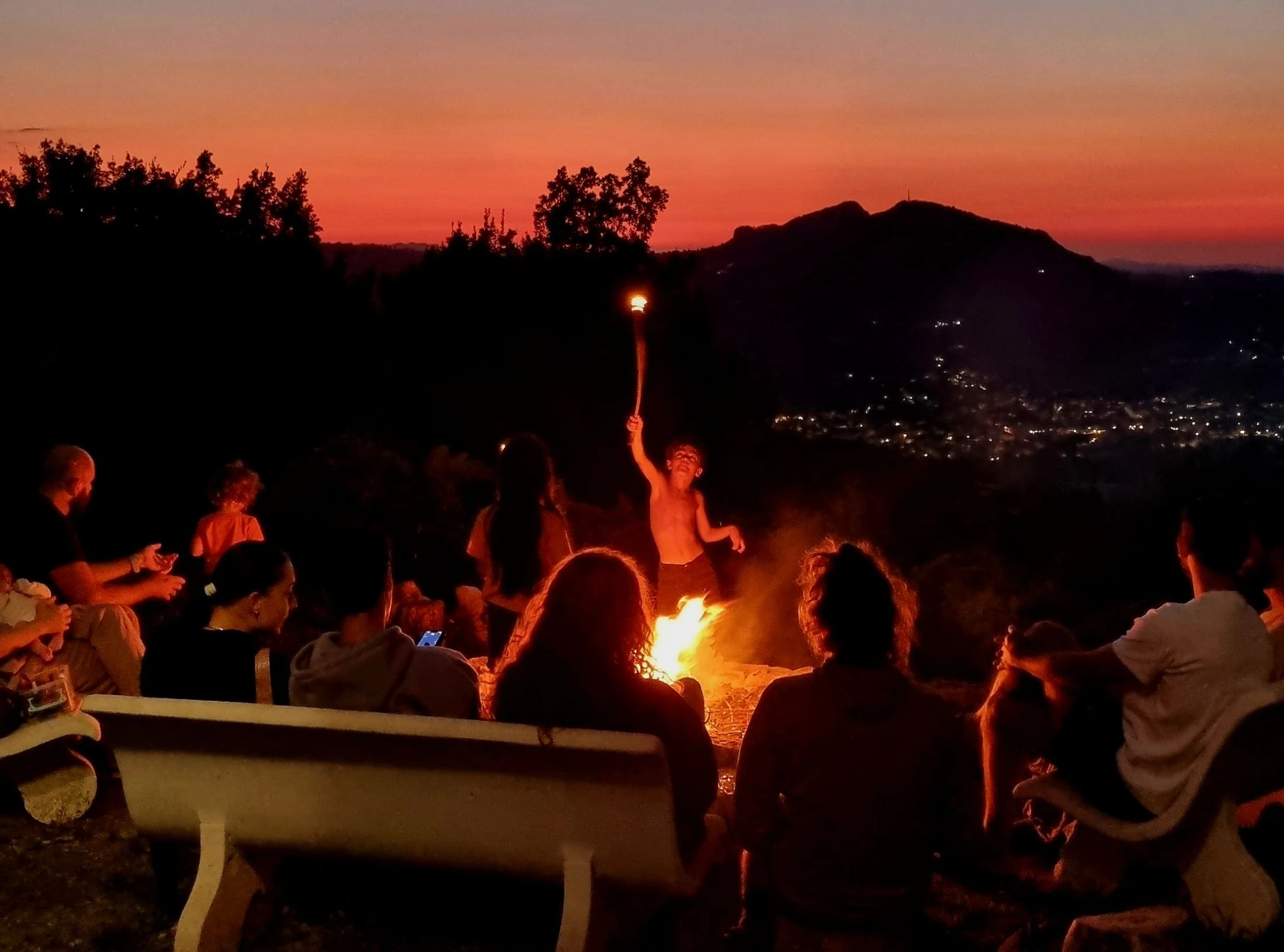
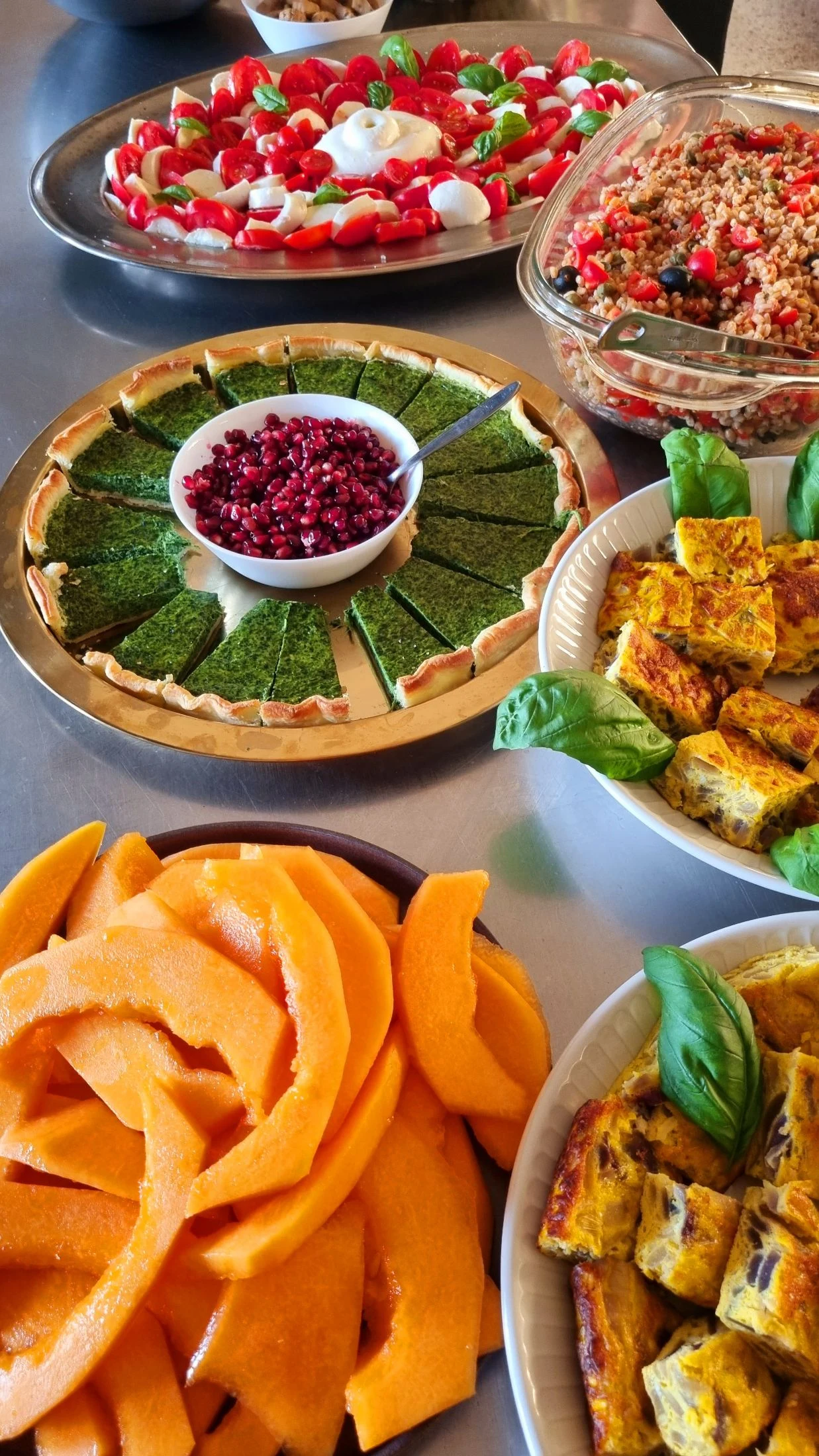
 Maiolo
Food & land regeneration
The flagship on food and regenerative land. Produce grown in surplus here goes to the table of another community.
2030
Honeydew was always conceived of as a social movement - advancing the ecovillage as the sole viable alternative to a globalised culture in crisis. The goal by 2030 is to have proved, at sufficient scale, that the model works. And that anyone who wants to live differently has a path to do so.
Why now
The convergence of ecological, political, social, and cultural crises - exacerbated by the dawn of artificial intelligence - is not a future threat. It is already here. Each crisis, individually, would be a cause for concern. Collectively, they amplify each other.
Urban strife is increasing: tensions around migration, crime, and the erosion of civil society are turning cities into segregated and ghettoised spaces, removing the last vestiges of the cosmopolitan dream.
Most people sense that the foundations are crumbling - they feel it as a subliminal fear, slowly eroding any hope in a viable future. They just cannot give it a name.
Two paths lie before us
Rooted in top-down government control.
Of solidarity, self-governance, and collective resilience.
Honeydew is the second path.
What we're building
Honeydew is not a retreat, or a detox, or a digital nomad perch. We regard the ecovillage as a site of emergence - we are not retreating for a break, but seeking to break an unsustainable mode of existence.
The alternative to consumerism is not drab austerity - less pleasure, less richness of experience. It is abundance.
You cannot buy authentic connection, mutual care, and community. They lie in a space above market value.
Our message has always been: you cannot heal alone. You cannot even know yourself alone. We are homo communalis - a communal species who find meaning in relation to one another.
The Honeydew Generation
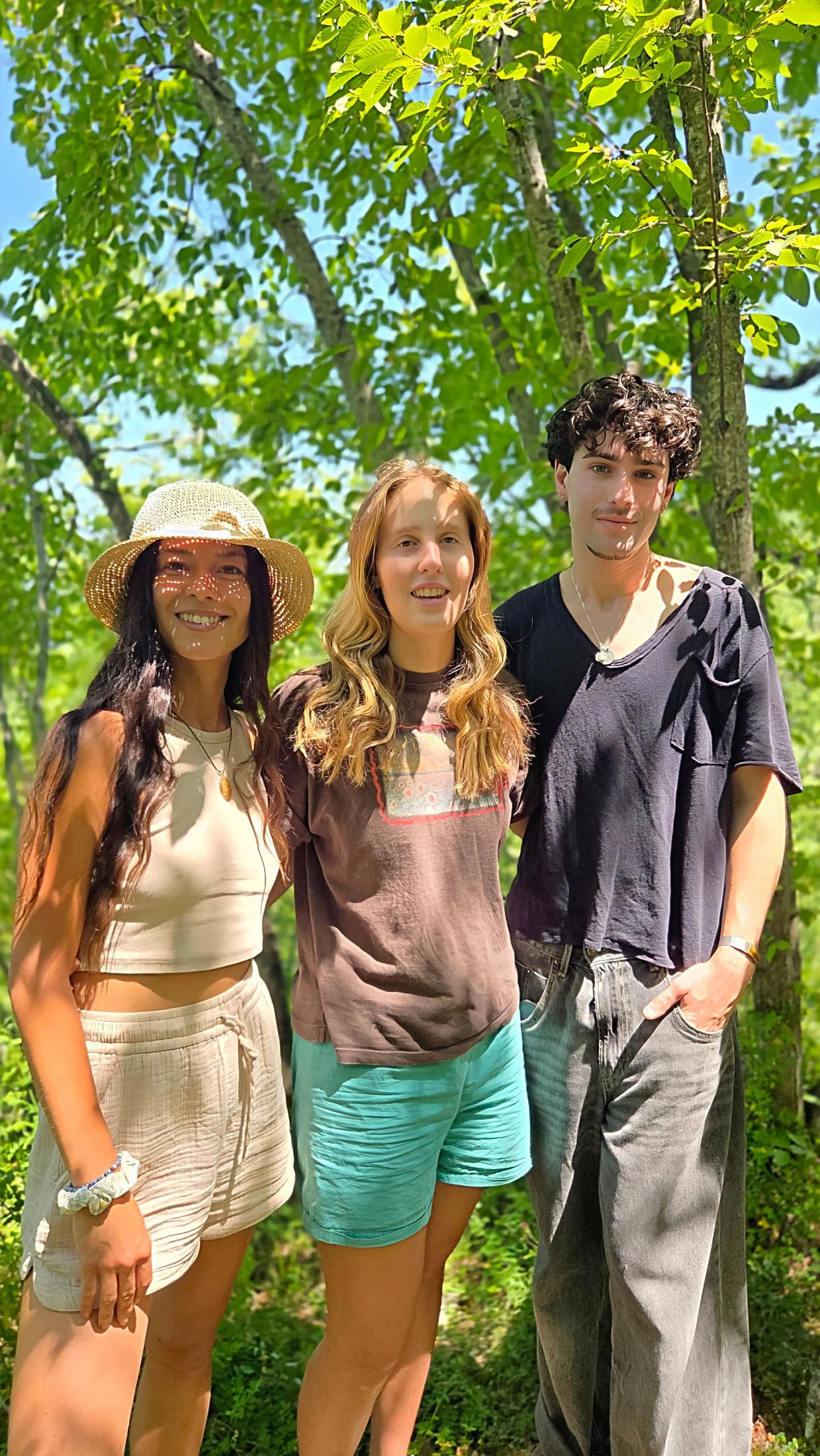
We are explicitly looking to catalyse the energy of restless, anxious young people seeking an alternative. Our vision is intergenerational - but this movement will be driven by a generation that feels lost and is searching for answers.
We are not looking for people who want an escape or a vacation. We are looking for ambitious, intelligent, high-energy individuals who seek work with meaning and a life of purpose. People driven by curiosity and a sense of mission, willing to make sacrifices and endure challenges to build a collective dream.
Romantics, not cynics.
The person who thrives in community becomes a discernibly different individual from the person who thrives in consumer society. That transformation is what Honeydew is offering - and what the world needs more of.
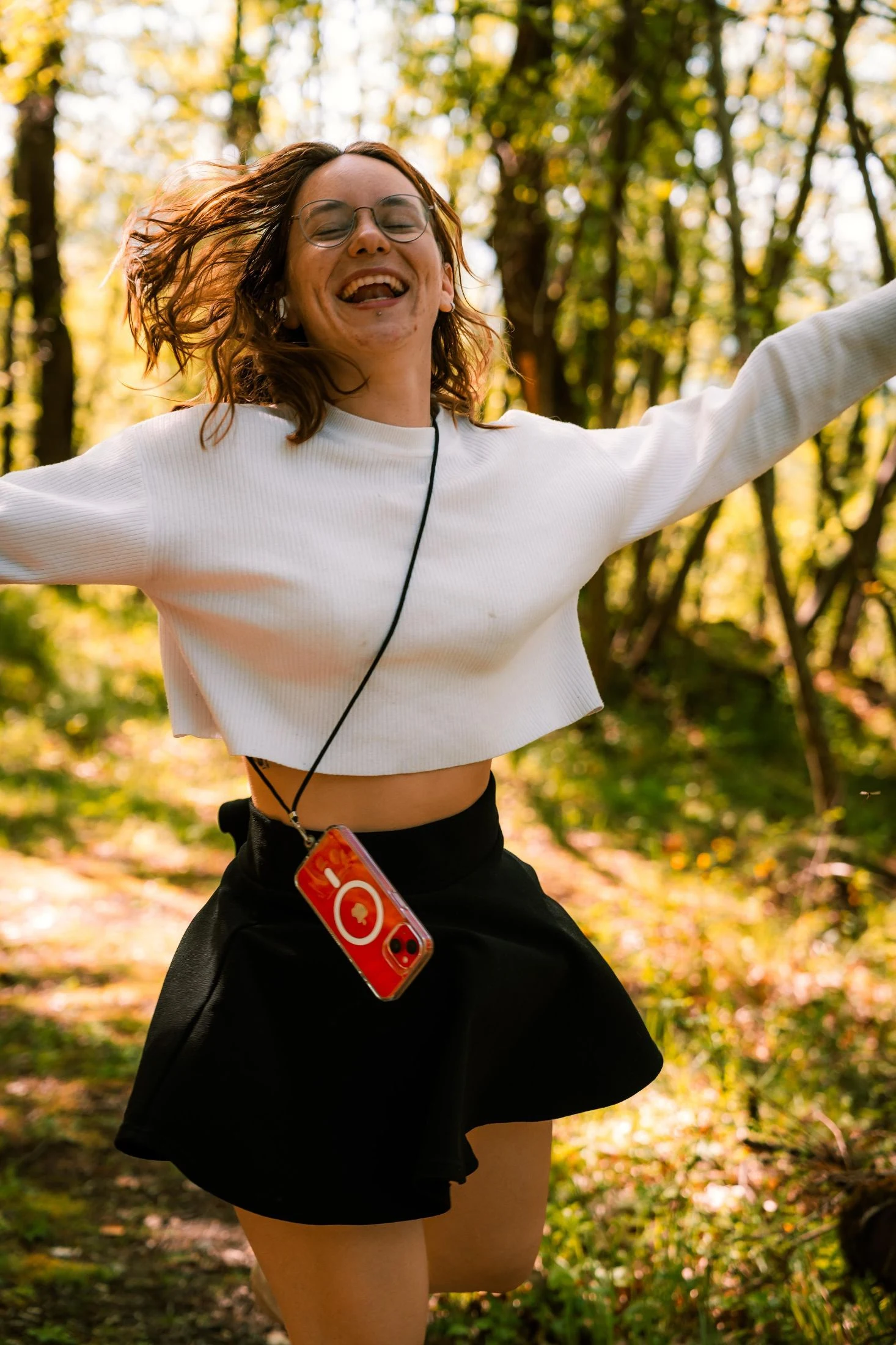 The generation we are building for
Where we are now
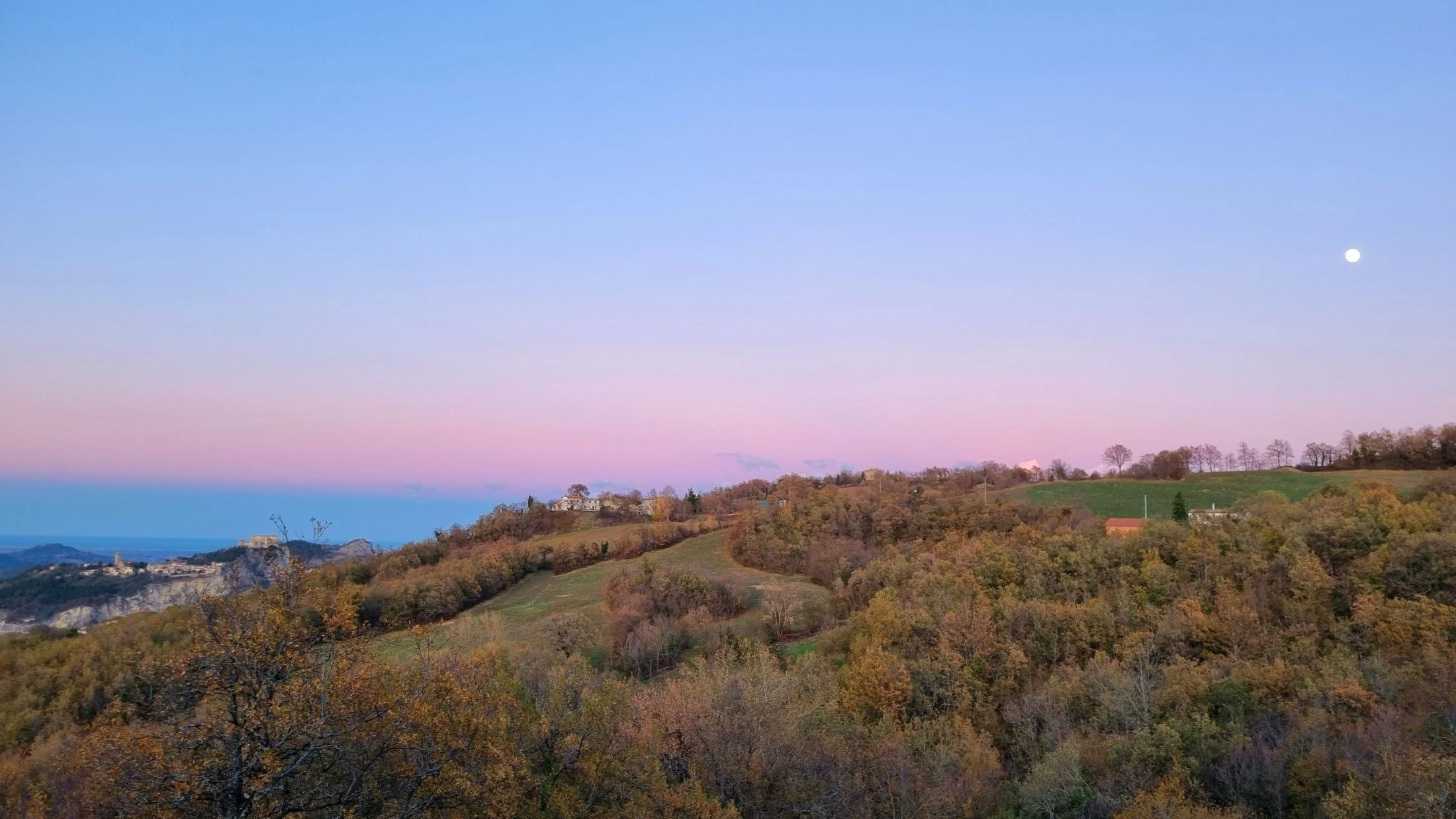 Maiolo, Italy · June 2023
Honeydew launched in June 2023 with a single community in Maiolo, Italy. The network now spans 19 communities across 6 countries and 3 continents - with more in development.
This growth was not planned as expansion. It happened because people who spent time at Honeydew went home and built something of their own, affiliating with the network because they believed in the same things. The Honeycomb grew because the culture was worth carrying.
That is the proof of concept. And it is still early.
19
6
3
What a functioning local network looks like
The most concrete near-term expression of the Honeycomb vision is happening in Italy - three communities within 90 minutes of each other, each specialising in something different, each covering a gap the others have.
MaioloThe flagship on food and regenerative land. Produce grown in surplus here goes to the table of another community.
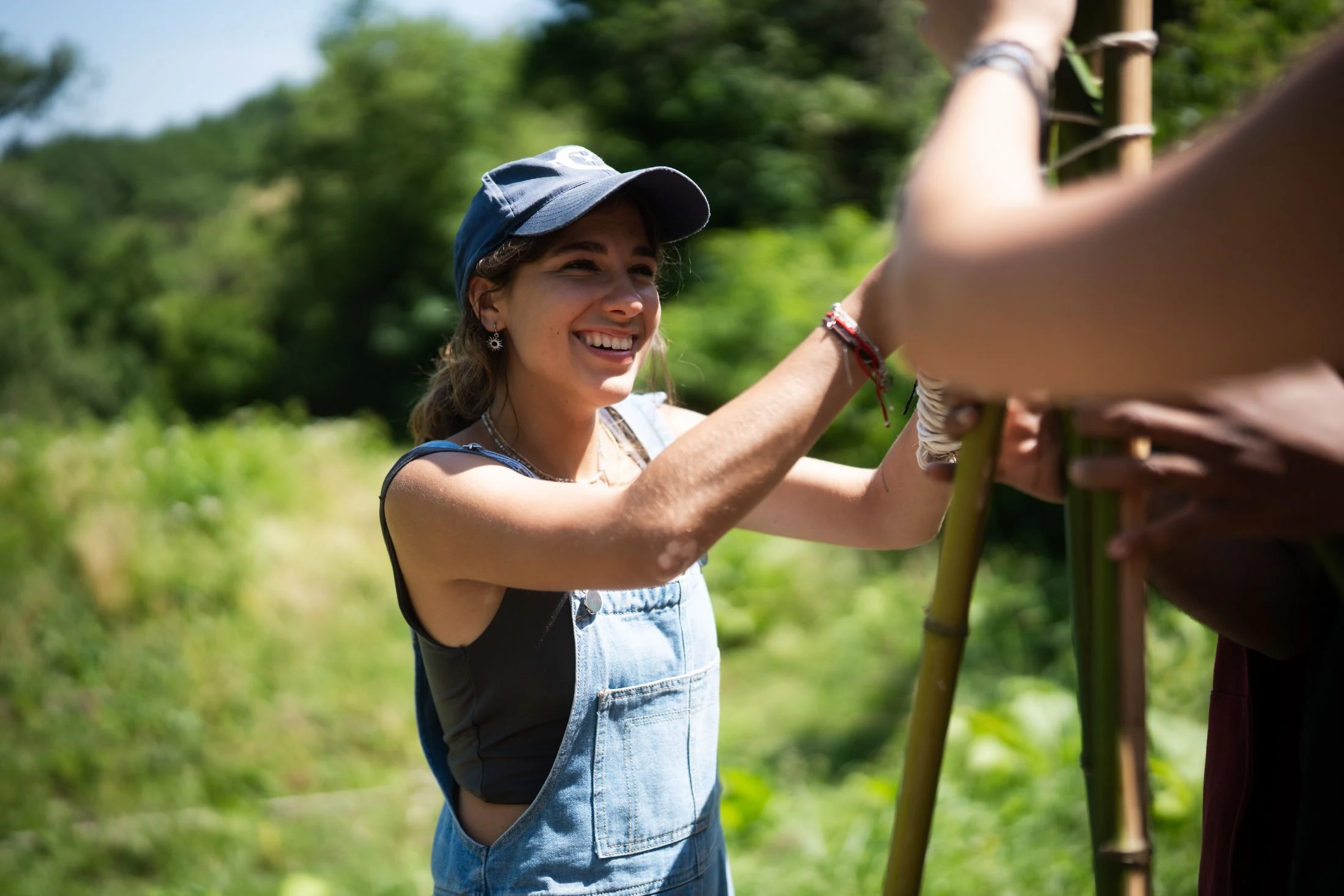 Craft & building
People who develop skills at one community move to another where those skills are needed.
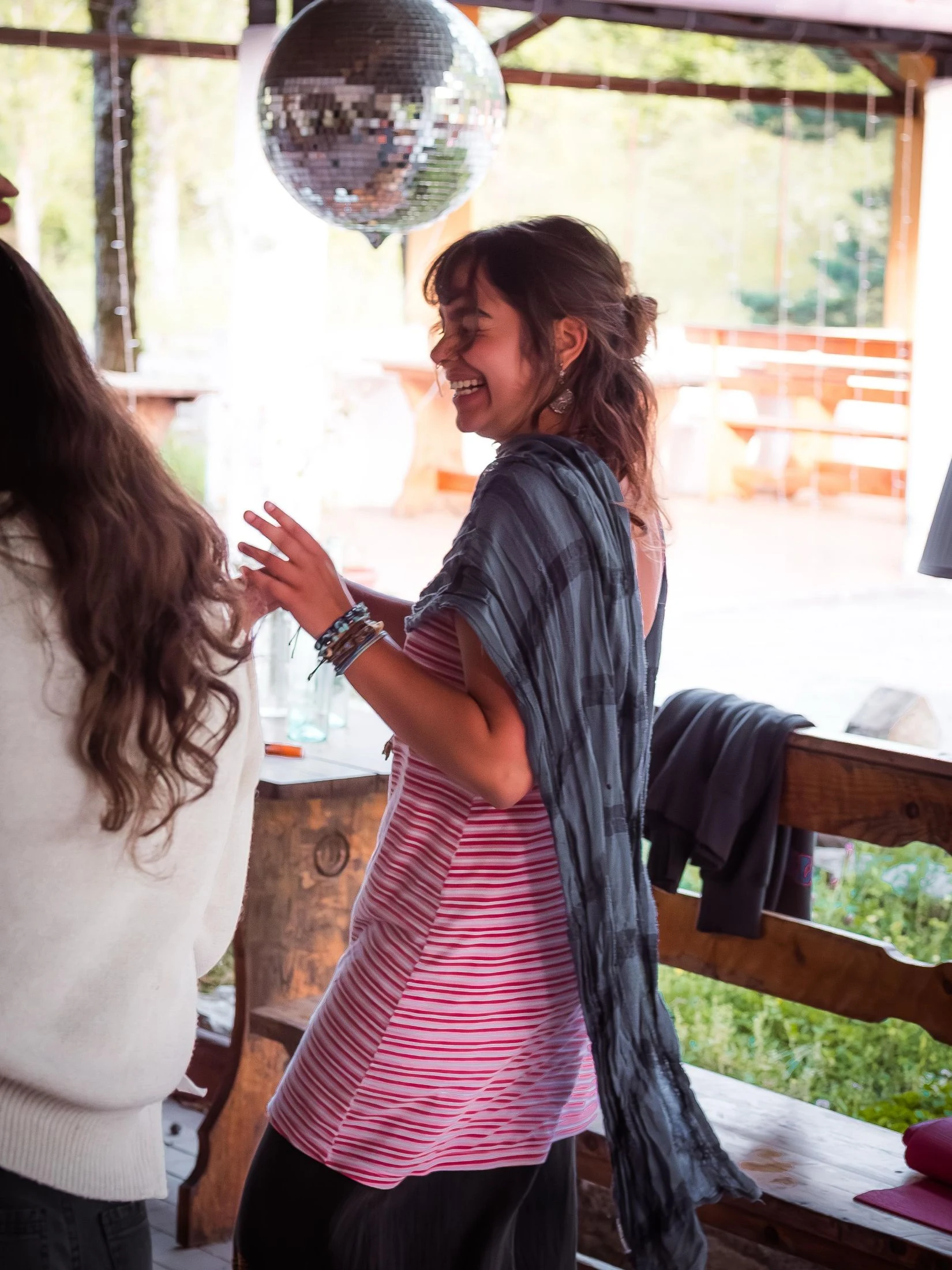 Hosting & events
The community that covers the gap the others have - hosting, creative practice, and gatherings.
This is not logistics. This is what a network of communities looks like when it actually functions. If three communities within 90 minutes of each other can trade, share people, specialise, and sustain themselves - the model is real. And if it is real in Italy, it can be real anywhere.
 First cohort · 2027
How the culture travels
The most deliberate expression of what Honeydew is trying to build. Three months, residential. Participants live and work at Maiolo as full community members, engaging a curriculum facilitated by people who have built real expertise inside the domains of community life: regenerative agriculture, ecological building, conflict resolution, community governance, creative practice, systems thinking.
Every School graduate earns the Honeydew Passport - their recognised standing in the global network. It is the key that unlocks the whole of the Honeydew vision.
First cohort
2027
Format
3 months · residential
Where
Maiolo, Italy
The Honeydew Passport
The Passport is what a School term unlocks: recognised standing in the network, and a promise that works in both directions.
Your recognised standing in the global network. It offers freedom of movement across all Honeycomb communities worldwide.
Not as a stranger who might be interesting, but as someone who has already proven something. It is the key that unlocks the whole of the Honeydew vision.
For the communities that receive Passport holders, it provides an assurance - that the people who arrive are able to help them grow their projects in a sustainable way.
Continuity of culture, carried by people the network already knows.
The Honeycomb
One inspiration for the Honeycomb model is the work of social missionary groups like the Franciscans - who created a web of decentralised, self-sustaining communities that propagated by planting seeds to expand their ecosystem.
Each new project becomes a node, governed locally and bound by a shared creed
Volunteers with the Honeydew Passport are like pilgrims who travel from community to community, experiencing local variety but with the continuity of shared rituals and rites. They are not visitors but messengers - embodying the mission in their ethos and action.
New communities are catalysed by seed teams - groups of experienced Honeydewers who come together to assist in the creation and implementation of new projects, carrying both practical and soft skills: from permaculture and cooking to conflict mediation and fiscal governance.
We do not speak of self-sufficiency, but of community sufficiency - even network sufficiency - with interconnected projects fortifying each other.
2030
What we are working toward
Small but determined bands of individuals who will seed the Honeydew model around the world - deepening roots in diverse local environments, creating networks of networks that disseminate our ethos while maintaining their own local governance and independence.
Multiple cohorts completed. A growing body of graduates carrying the culture into communities, organisations, and places we have not yet imagined.
Three Italian communities trading, sharing people, and sustaining themselves - the prototype for every regional cluster that follows.
Communities that are self-sustaining. Not dependent on donations or founder investment. This way of living is not only meaningful but economically viable.
A generation who have lived inside the Honeydew model and can say, from experience: it works.
The crises that made Honeydew necessary have not gone away. The proof that something else is possible has.
Benjamin's vision
We are not building an alternative. We are recovering the original.
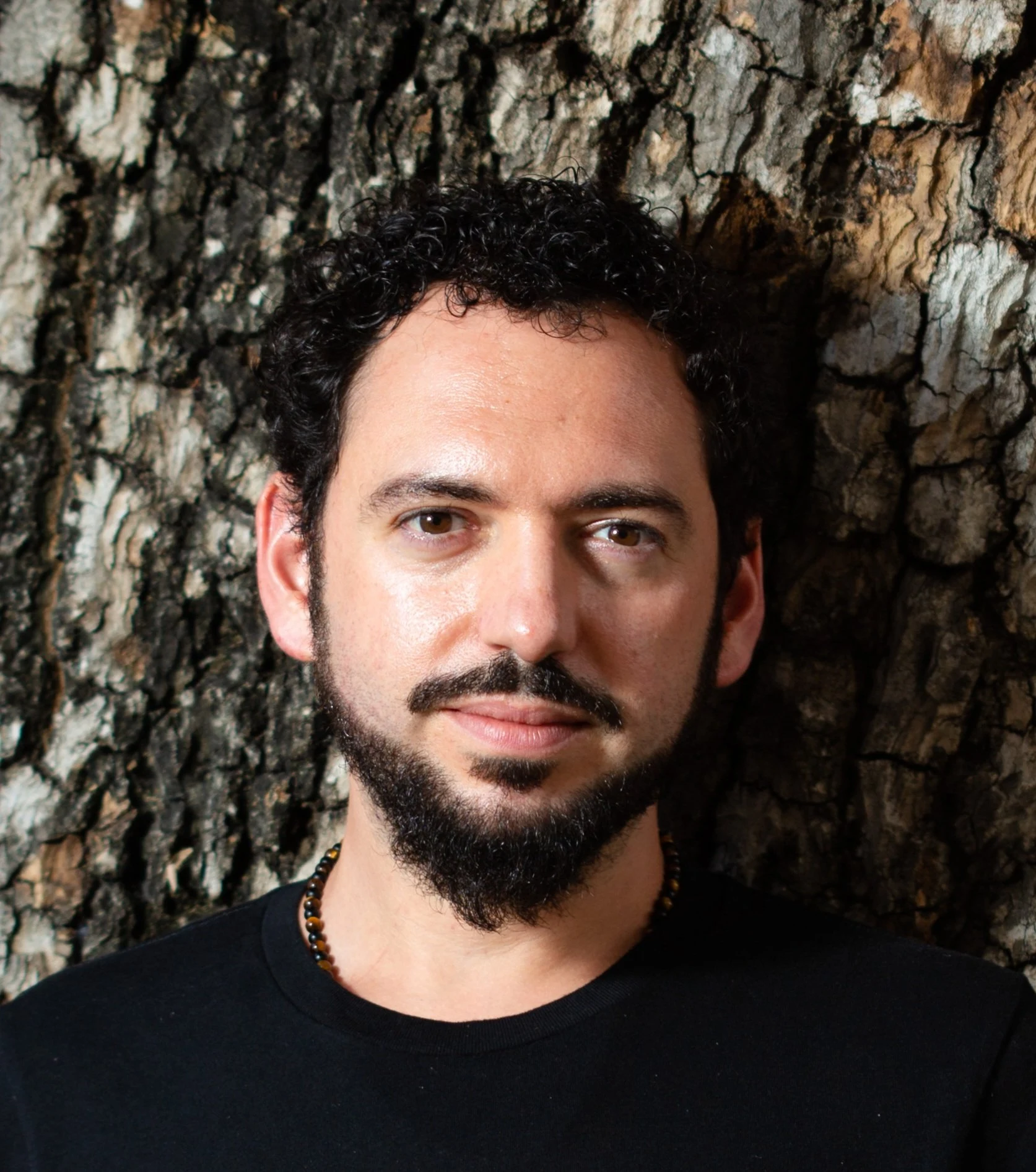
Benjamin Ramm founded Honeydew with a conviction that community - real community, the kind humans evolved to live in - is not a utopian fantasy. It is the baseline. What we have now: the isolation, the consumption, the disconnection - that is the experiment. And the experiment is failing.
Honeydew is not a retreat from that failure. It is a refusal to accept it.
The odds are stacked against us. Our dream can be extinguished by many factors, and we may fail. But anything worth doing involves accepting this reality. Any community worth building must be forged in the fire of collective commitment - led by people willing to face adversity together.
That is the crystal spirit. It cannot be purchased, and it cannot be destroyed.
 Benjamin Ramm, Founder of Honeydew
Evidence, not utopia
The goal by 2030 is to have proved, at sufficient scale, that the model works - and that anyone who wants to live differently has a path to do so. Built by the people who choose to live it.