We are not the alternative.
We are the original.
Inside the word emergency is emerge; from an emergency new things come forth.Rebecca Solnit · Hope in the Dark
What Honeydew is
A response to a convergence of crises.
Honeydew is a response to a convergence of crises: political, cultural, and spiritual. Citizens in developed industrial nations feel powerless and rudderless; many testify to lacking meaning and a sense of purpose. Weary of consumerism and relentless competition, they nonetheless feel bound to a system that drives the destruction of the planet they wish to save.
The ‘Honeydew Generation’, roughly the Millennial cohort aged 20 to 40, has abundant energy and imagination, but no vehicle for transformation. Their individual prospects don’t reflect either their knowledge or abilities, and they live with acute anxiety. Many have an appetite for communal responses to their predicament: they seek fulfilling work, social recognition, and mutual nourishment, not the endless cycle of the grind.
At Honeydew, our social and ecological vision also has a spiritual component. We are blessed by the opportunity to be part of a project larger than our individual selves, and to be in service to each other. The creation of the community and its mission to heal are indivisible: the community exists to facilitate healing; the goal of healing is to nurture the community.
We believe that the community is the medicine. We come together, from a place of brokenness, to build something whole.
Why now
Four freedoms we are building.
The conditions are ripe for a different way of living, one that gives back what the modern system has quietly taken.
01
Creativity, not consumerism
By opening a space for self-expression and experimentation, we rely less on the validation of consumerism. Honeydew gives us back our imagination.
02
Shared work with purpose
The creation of a cohesive and supportive community, in which we channel our energies into a project that enlarges us all.
03
Healing
We cannot heal alone. In service to each other, through mutual care and radical trust, we explore how to rekindle our social bonds and tend to the collective heart.
04
Mission
Creating the conditions for others to enjoy these freedoms. Ours is not a retreat from the world, but an attempt to create a blueprint for an alternative way of living.
Why Honeydew
Four crises. One answer.
The case for community is not nostalgic. It is a direct, practical response to the pressures shaping this generation’s lives.
Climate crisis
Overconsumption, not overpopulation, threatens our collective future. By living sustainably in a community powered by solar energy, we reduce our footprint.
Economic crisis
A generation of educated millennials is caught in the rent trap. Honeydew frees their energy for building community, instead of enriching their landlord.
Social crisis
The pandemic highlighted the isolation and alienation felt by young people, who struggle with high rates of depression and a deep spiritual malaise.
Cultural crisis
Our culture celebrates competition above all, yet the creed of individualism breeds despair. It is time for us to co-author our future: we can write the script together.
 Maiolo · the first node
The founding vision
Why Benjamin built this.
Benjamin Ramm founded Honeydew with a conviction that the ecovillage model, discredited in mainstream culture as naïve, marginal, or self-indulgent, is in fact the most serious response to the conditions of our time.
The model works. It fulfils essential human needs: for safety and nourishment, for meaningful work, for social solidarity, for cultural identity, for belonging. What it lacks is proof at scale: communities that demonstrate the model functioning, financially sustainable, culturally rigorous, and genuinely beautiful to live in.
Honeydew’s mission is to become that proof. Not through manifesto or argument, but through existence. By 2030, the goal is a global network of communities that proves the model works, financially, culturally, humanly. Not a utopia. Evidence.
At the core of our outlook is gratitude: for fresh, abundant food; for a cosmopolitan community rooted in local traditions; for a space to co-create and reimagine our own kind of society.Benjamin Ramm, Founder
A necessary clarification
What Honeydew is not.
- Not
A retreat
- Not
A detox, a digital nomad perch, or a year-round festival
- Not
A New Age project or a spiritual programme
- Not
A place to escape to
These distinctions matter because they determine who shows up, and who should.
Honeydew is a site of emergence. The community is not retreating from the world; it is building an alternative to it. The people here work. They grow food, restore land, cook meals, build structures, make things, and hold each other to account.
The pace is different from the city, but the seriousness is the same.
“You cannot heal alone. You cannot even know yourself alone. We are a communal species, and we find meaning in relation to one another.”Benjamin Ramm
Cultural commitments
How we live.
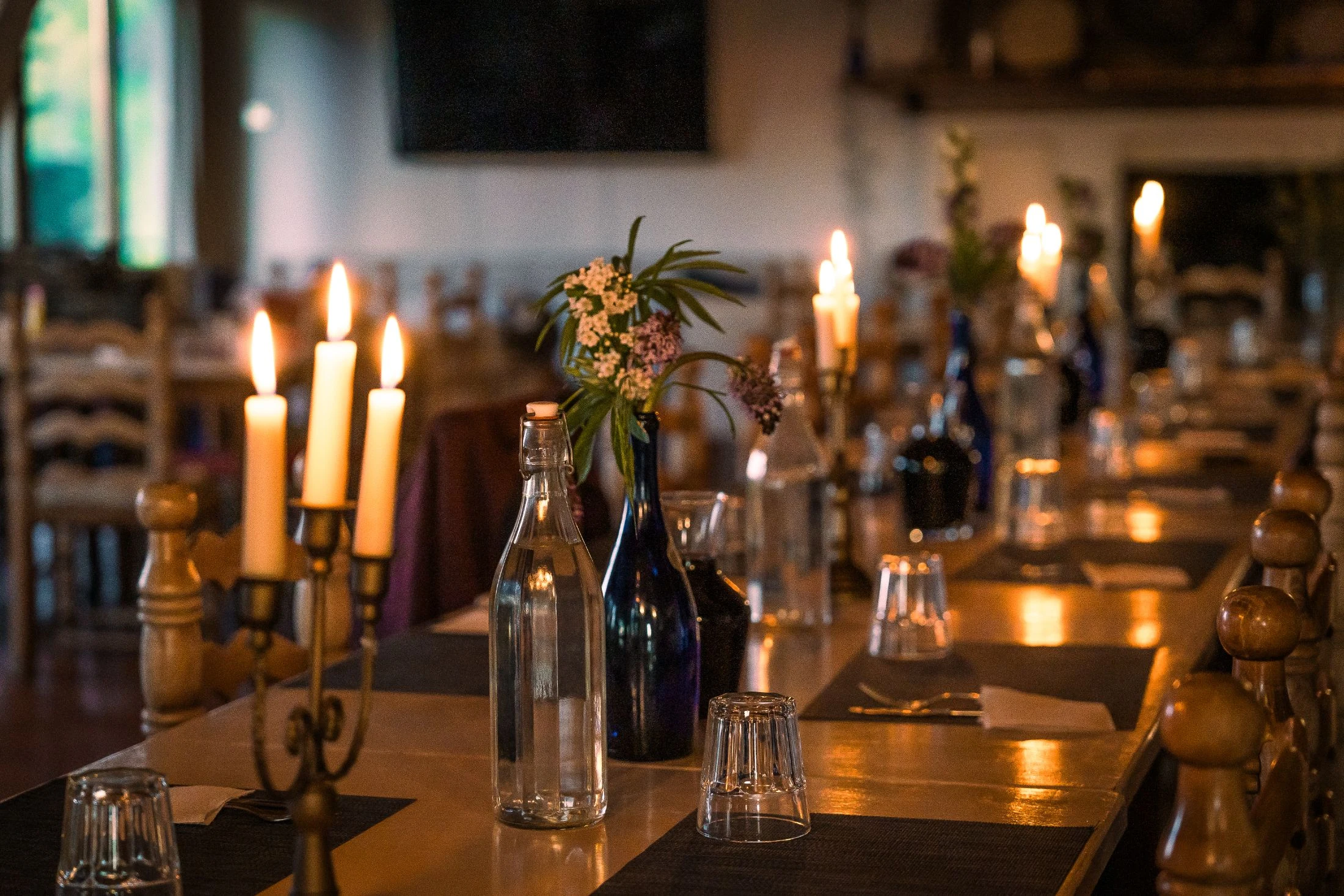
Culture is what makes the difference between people sharing a space and an actual community. These are not policies. They are the orientations that, kept alive in daily decisions and daily welcome, ensure that growth never comes at the cost of soul.
Candor over comfort
Difficult conversations are had directly. Problems are named. The community does not let things fester for the sake of surface harmony.
Depth over volume
Fewer people with deep commitment are more valuable than many with shallow engagement. Honeydew is not trying to be large. It is trying to be right.
Work as participation
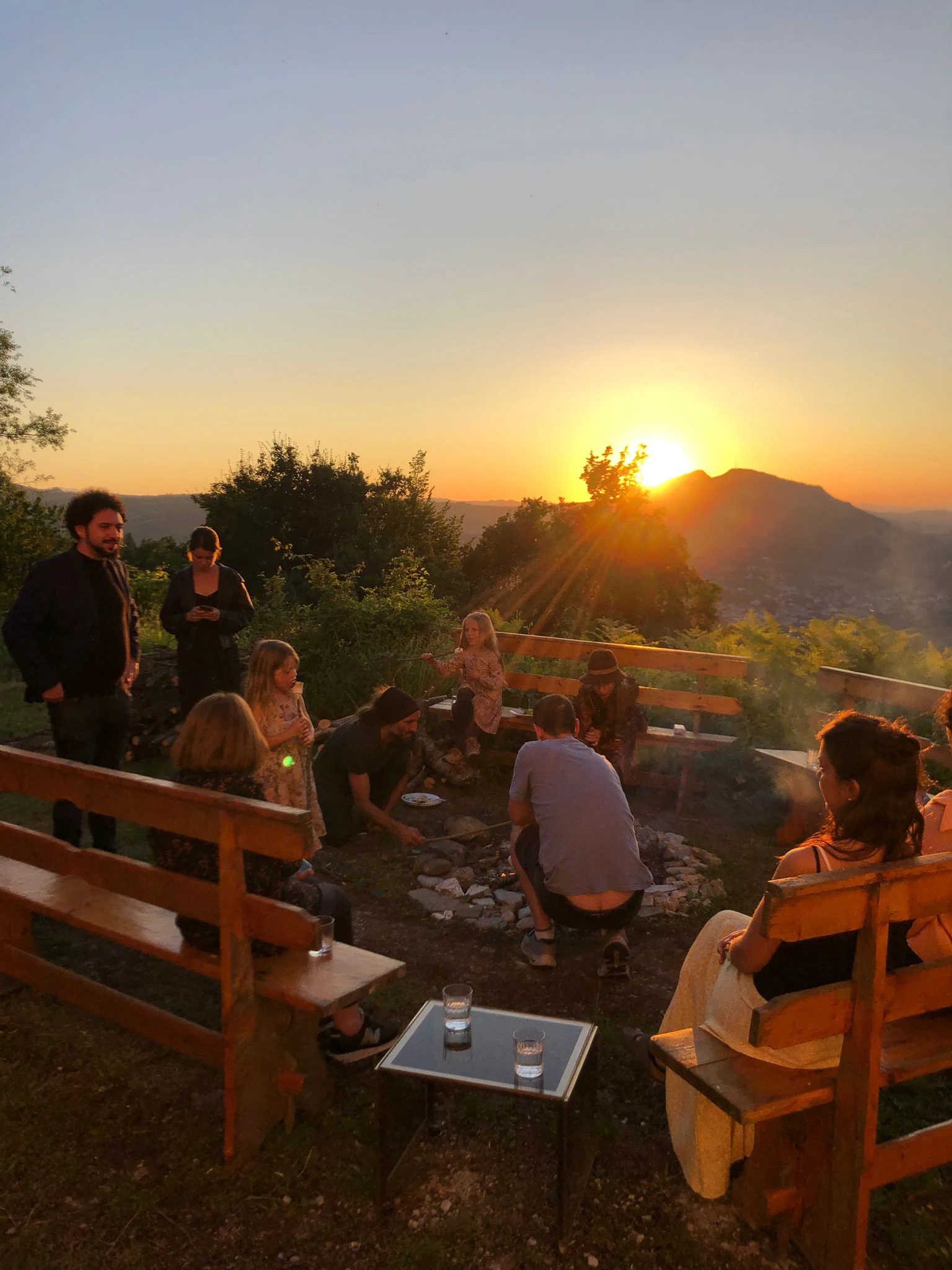
Everyone works. Everyone eats together. No one is exempt from the shared life of the community. This is not a policy. It is the culture.
Beauty as a value
The space should be beautiful. The food should be excellent. The conversations should be substantive. Aesthetic care is not a luxury. It is a statement about what kind of life is possible.
Generosity as a default
The community’s instinct is to give first, time, knowledge, access, welcome, and trust that the network will sustain itself.
One culture, many places
The global network.
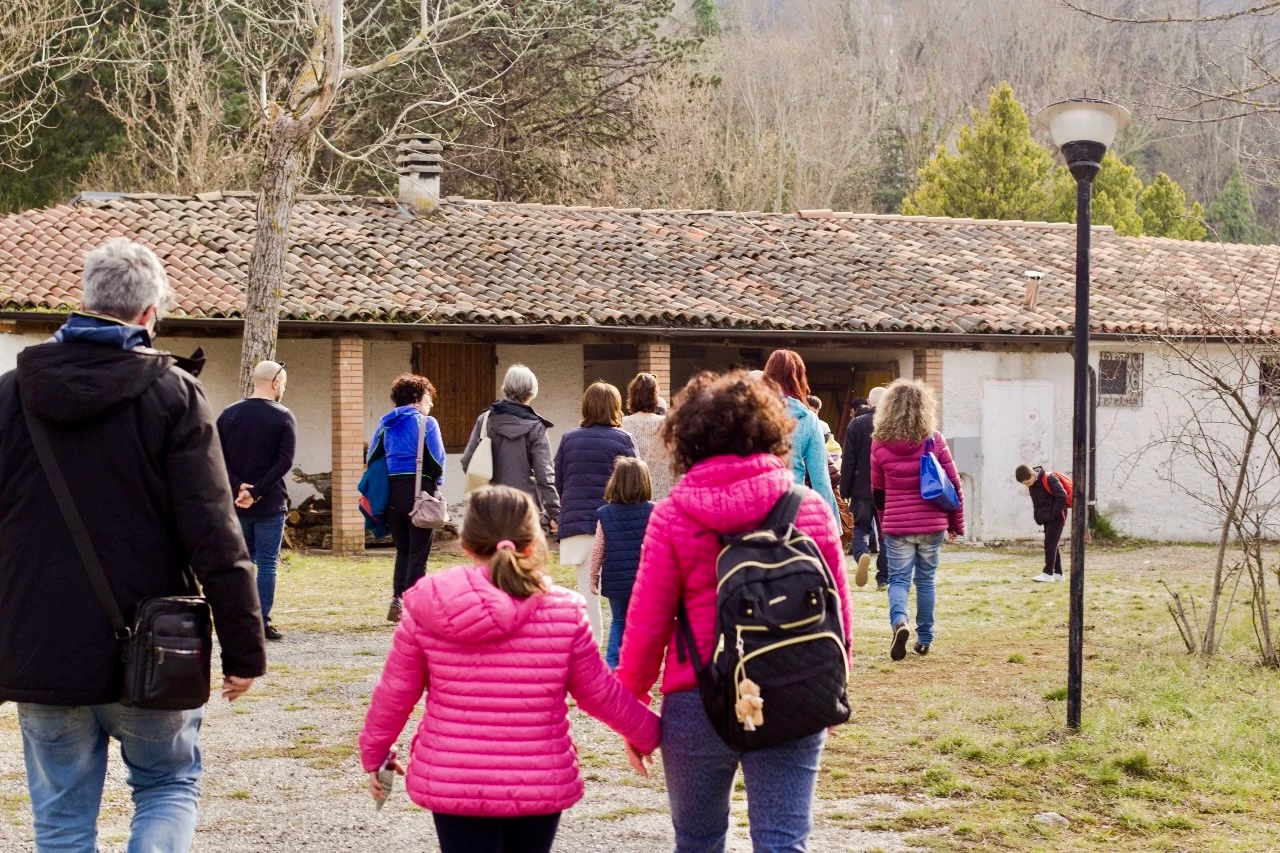
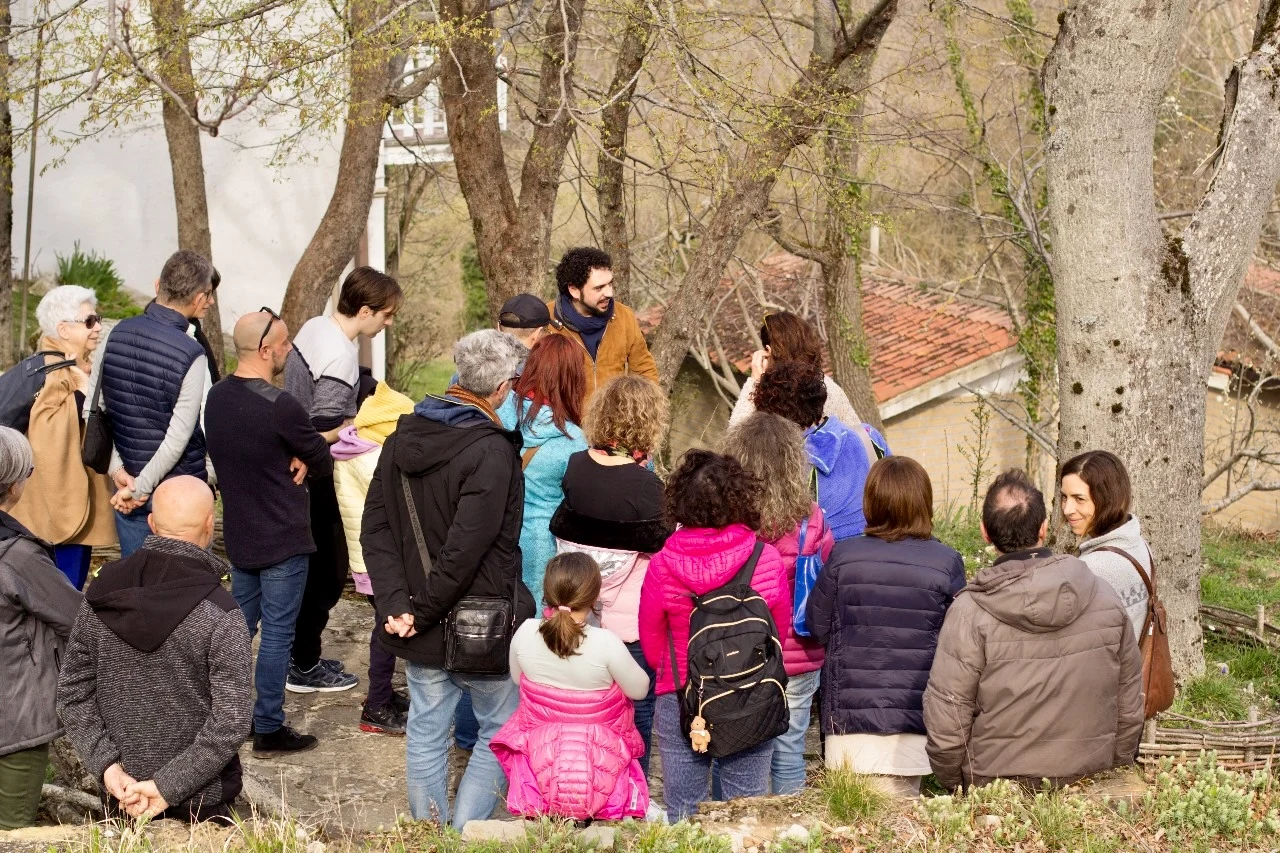
Maiolo is the first node and the heart of the network. But the Honeydew vision has always been larger than a single community. The Honeycomb, a global federation of affiliated communities sharing values, membership, and people, is where the model proves itself at scale.
Passport holders move between Honeycomb communities with recognised standing. Makers who develop their craft at Maiolo can bring it to communities in Brazil or Sri Lanka. Volunteers who graduate from the School of Community Life become part of a network that exists in six countries and three continents.
The network is not a franchise. There is no corporate structure. It is a trust network, built on shared values, deep relationships, and a culture that travels because it is genuinely lived, not performed.