
Beauty is not a luxury here.
It is a commitment.
Honeydew Arts
The creative domain
Honeydew Arts is an invitation to artists to explore the themes of ecology, spirituality, and communal creativity.
Every community at Honeydew operates across six domains of daily life. Creative arts is one of them - not as a hobby corner, but as a full expression of the community’s belief that the way a place looks, sounds, and feels is inseparable from the way it functions.
The creative domain covers a wide range: mural and visual art, photography and film, music, spatial design, furniture and craft, and the ongoing care of the community’s shared aesthetic environment. These are not separate activities - they are one continuous impulse. The person who spends a morning repainting a communal wall and an afternoon composing at the piano is doing the same essential work: making the place worth being in.
Emma holds this vision as Honeydew’s Creative Director. Not as a gatekeeper - there is no approval process for making something here - but as the person who asks the question no one else remembers to ask: does this reflect the quality of life we are actually trying to build? She brings the same attention to a table setting as to a photo essay, to the colour a wall is painted as to the typeface on a poster. This is not perfectionism. It is care made consistent.
Ongoing programmes
Sculpture garden
A sculpture garden in the grounds of Maiolo, exhibiting new and commissioned works from local and international artists.
Film, sound, and live performance
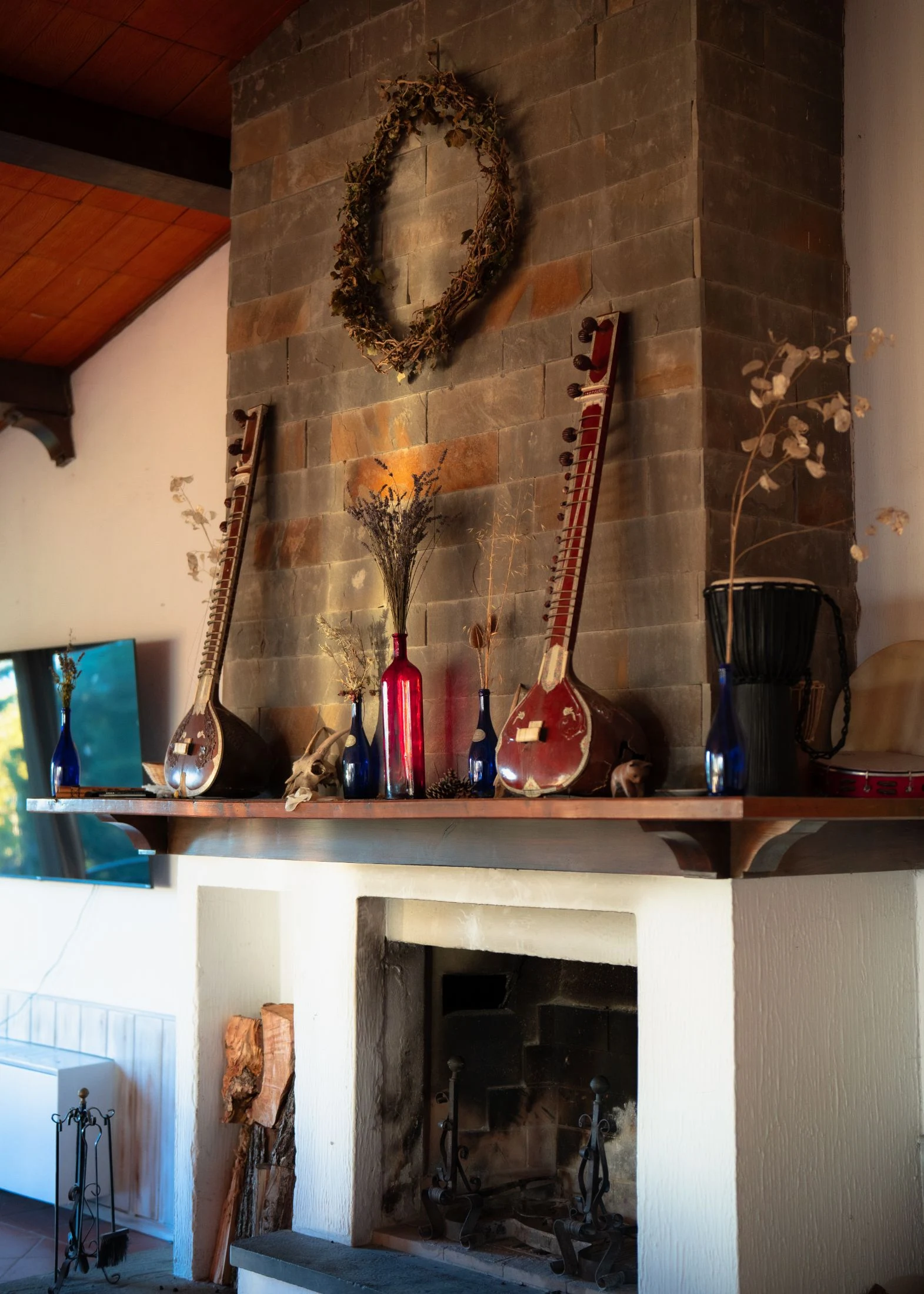
Film and sound installations, plus live musical performances, curated in collaboration with visiting artists.
Quarterly residencies
Formal residencies for young artists from around the world, four times a year.
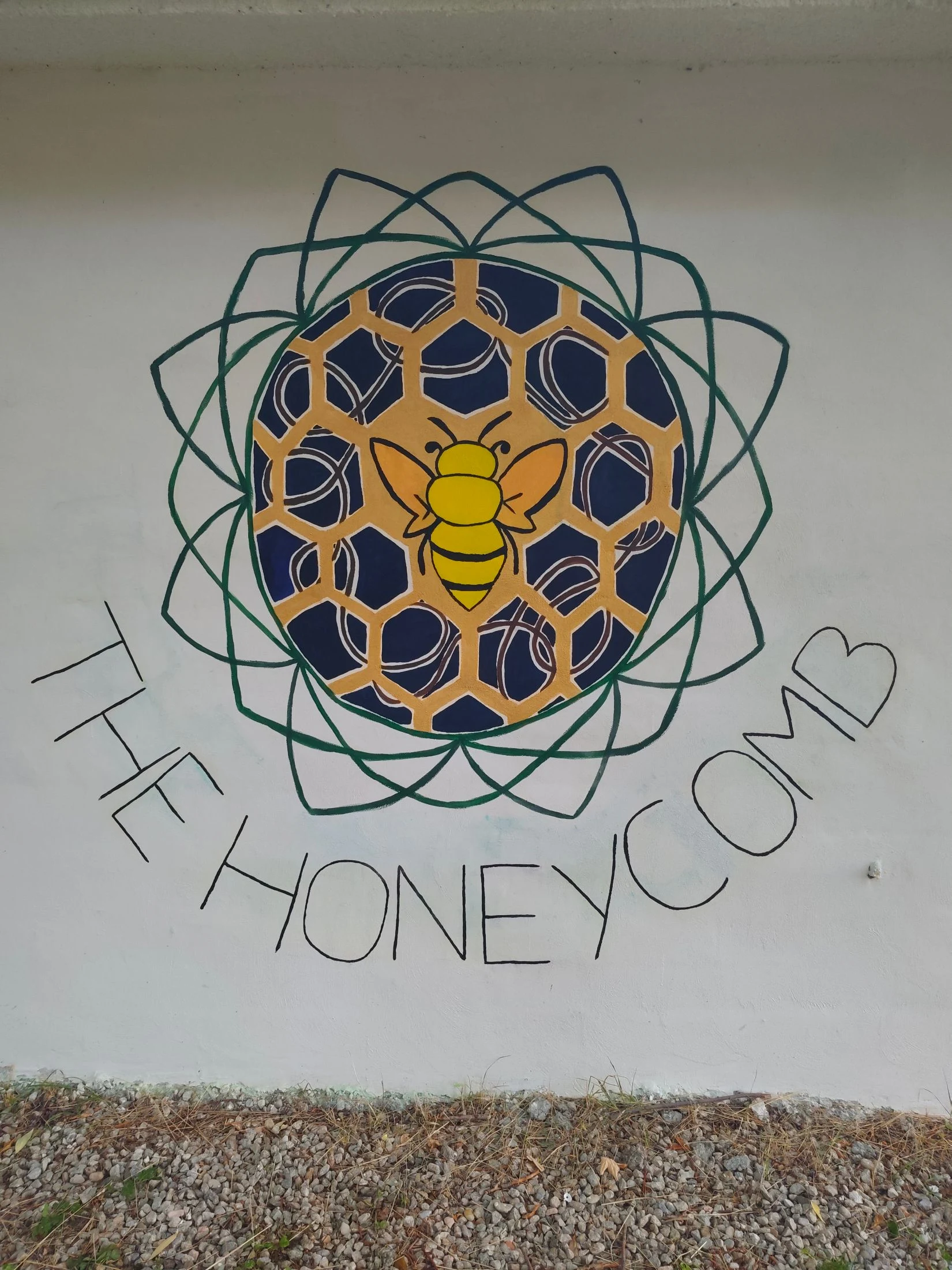 Maiolo · the dining-room mural
What people have made here
What gets left behind
Walk through Maiolo and you are walking through the accumulated creative work of everyone who has lived here. A large-scale mural in the dining room painted by a Brazilian artist who came for three weeks and stayed for three months. A series of hand-thrown ceramic bowls that the kitchen now uses every day. A short film documenting a full growing season - from first planting to the harvest dinner - that has become the community’s most-shared piece of content. Bookshelves built from reclaimed timber by a carpenter who came knowing nothing about community and left knowing a great deal.
None of this was commissioned. All of it was made by people who found a domain that called to them, a community that gave them space to work, and enough time to finish something real.
This accumulation is one of Honeydew’s most tangible records. Each piece tells a story about who was here, what they were thinking about, what they brought from wherever they came from. The community is also its creative archive - and the archive keeps growing.
Why beauty matters
The argument for aesthetics
Beauty at Honeydew is a form of generosity.
There is a version of ecological community living that is deliberately austere - rough surfaces, practical furniture, nothing that couldn’t survive a flood. Honeydew is not that.
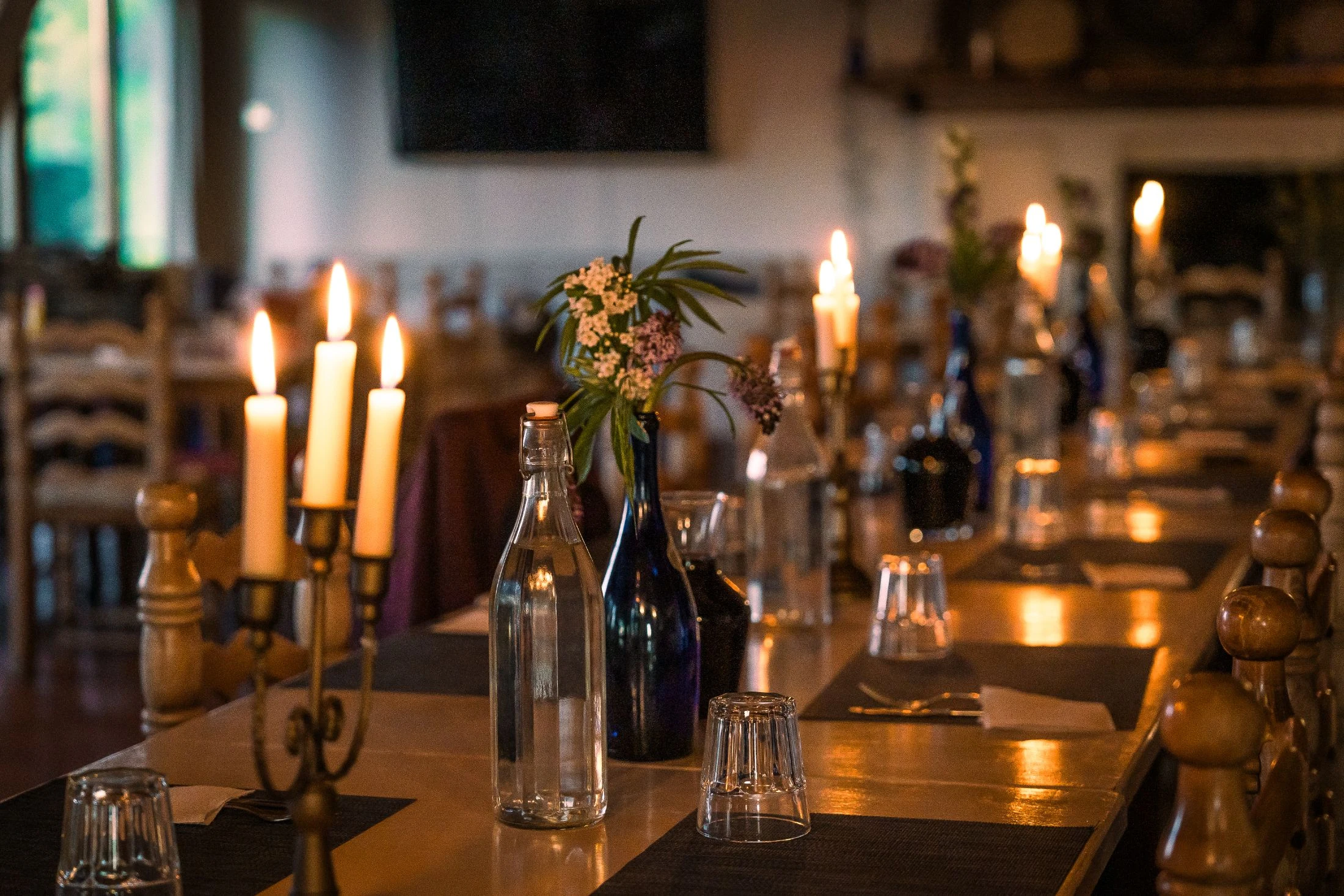
The conviction here is that aesthetic care is not a distraction from serious community building - it is part of it. A space tended with attention produces a different quality of human experience than a space that isn’t. A meal served with care tastes differently than the same food served carelessly. A community that takes its music, its walls, and its gardens seriously is making a statement about its own worth - and the worth of the people who live in it.
Beauty at Honeydew is a form of generosity. The work done to make the common spaces genuinely beautiful is a gift to everyone who uses them, now and in the future. It is also one of the clearest ways the community demonstrates what it believes: that the good life is available here, and that it looks - and sounds, and tastes - like this.
Creative life in the community
What evenings actually look like
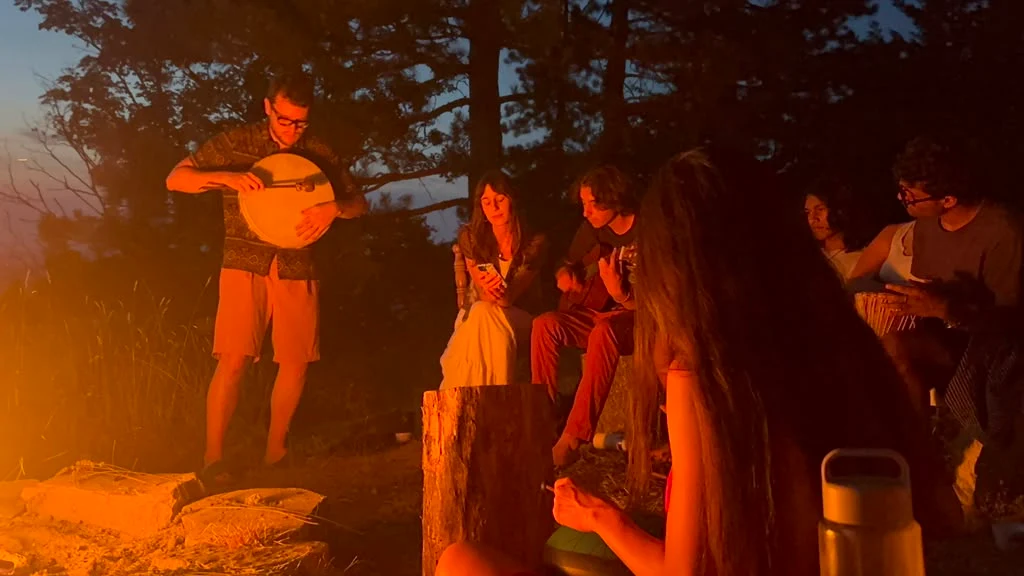
No one schedules the evening programme. It grows from who is here and what they brought with them.
A guitarist arrives from Portugal and within a week there is music after dinner three nights running. A documentary filmmaker sets up in the garden and the harvest becomes a film. A poet from the Netherlands reads something at the Friday Shabbat dinner and the table stays long after the plates are cleared. A group who have never done yoga before starts a morning practice that runs for the rest of the season because one person offered to teach it and everyone wanted to learn.
Language exchange is one of the most consistent creative practices at Honeydew - informal, multilingual, between people who are genuinely curious about each other’s ways of saying things. It is not organised. It happens because the community is international and people are people.
When someone finishes a creative project - a painting, a piece of furniture, a short film, a series of photographs - the audience is not abstract. It is the people who ate breakfast with them every morning for three months, who know what the project looked like at the beginning and what it took to finish. That is the most meaningful audience a piece of work can have.